Intestinal Health and Anxiety: Foods to Help Manage Tension
The condition of your gut heavily impacts mental well-being, especially in relation to anxiety. The gut microbiome plays an essential role in generating neurotransmitters that influence mood and stress levels. By understanding this connection, individuals can investigate how specific foods may support gut health and, in turn, diminish anxiety symptoms. What particular dietary choices can contribute to a more balanced gut microbiome and improved emotional resilience? The answers may amaze many.
Comprehending the Gut-Brain Relationship
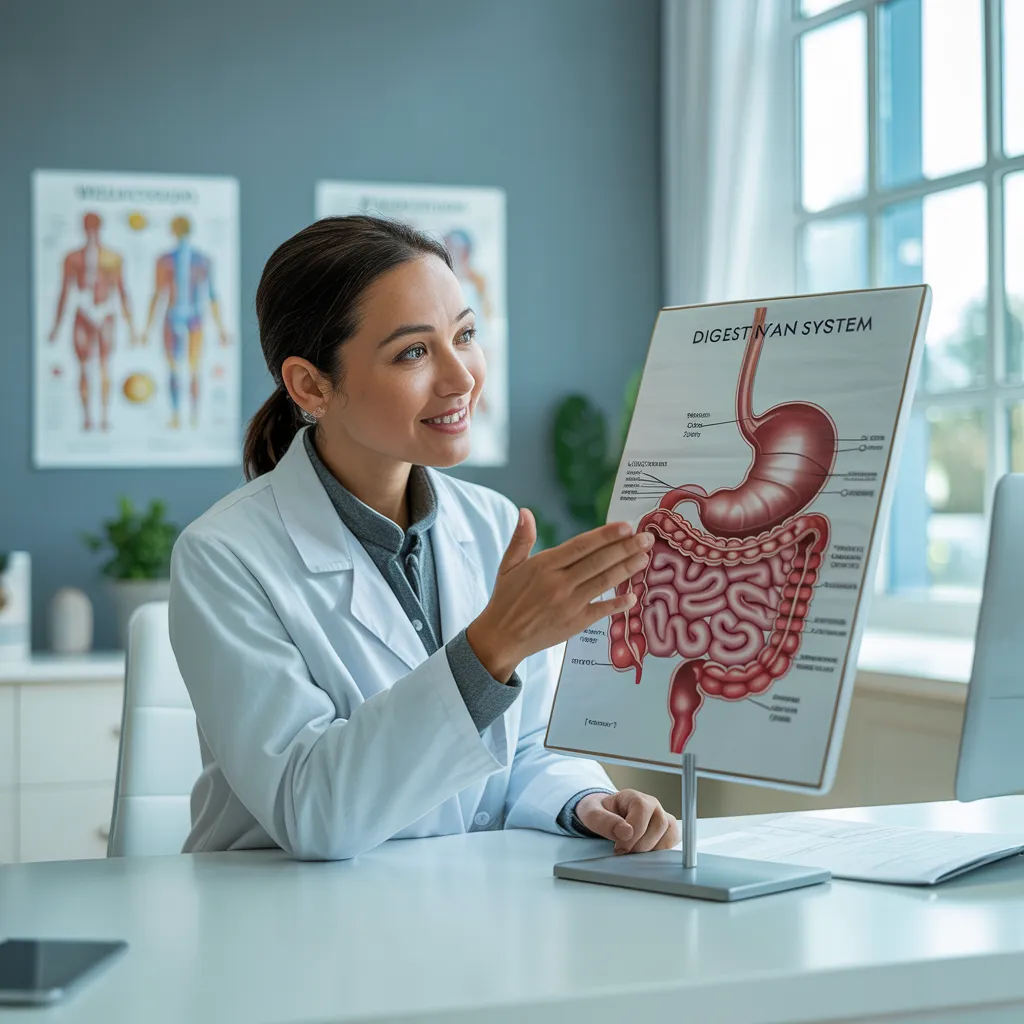
The intricate relationship between the gut and the brain, frequently called the gut-brain connection, plays an essential role in overall mental health. This complex system involves bidirectional communication, wherein signals from the gut affect brain function and vice versa. The gut houses trillions of microorganisms, collectively known as the microbiome, which generate neurotransmitters and other chemicals that can affect mood and cognitive processes. Scientific evidence suggests that a healthy gut can improve emotional resilience, while imbalances in gut flora may contribute to mood disorders. Factors such as diet, stress, and lifestyle choices can affect this connection, highlighting the importance of maintaining gut health for prime mental well-being. Comprehending this relationship offers insights into potential therapeutic strategies for enhancing mental health.
How Gut Health Affects Anxiety
How does gut health influence anxiety levels? Research demonstrates an important relationship between gut health and anxiety. The gut microbiome, composed of trillions of microorganisms, plays a key role in mental health by synthesizing neurotransmitters such as serotonin, which can affect mood and emotional regulation. An imbalance in gut bacteria may contribute to inflammation and higher levels of stress hormones, potentially exacerbating anxiety symptoms. In addition, gut health shapes the gut-brain axis, a communication pathway between the gastrointestinal system and the brain. Interruptions to this axis can cause altered stress responses, contributing to heightened anxiety. As a result, preserving a healthy gut microbiome is critical for managing anxiety levels and overall mental well-being.
Foods You Can Eat Today to Boost Gut Health and Reduce Stress
To improve gut health and mitigate stress, particular foods can play a significant role. Probiotic-containing foods, such as yogurt and fermented vegetables, promote a balanced gut microbiome, while omega-3 fatty acids present in fish and seeds may help diminish anxiety levels. Adding these foods into the diet can contribute to overall well-being.
Probiotic-Packed Foods
Including probiotic-rich foods into your diet can greatly enhance gut health while at the same time easing anxiety. These foods, packed with beneficial bacteria, support the gut microbiome, which plays a vital role in mental health. Yogurt, kefir, sauerkraut, kimchi, and miso are outstanding sources of probiotics. Regular consumption of these items can promote a balanced gut environment, which may help decrease symptoms of stress and anxiety. Fermented foods not only aid digestion but also enhance nutrient absorption, promoting overall health. Additionally, they can constructively influence the gut-brain axis, fostering a healthier relationship between gut health and emotional stability. By including probiotic-rich foods into daily meals, individuals may experience a more resilient mental state and improved emotional balance.
Omega-3 Fatty Acids
Omega-3 fatty acids, essential for overall health, play a crucial role in supporting both gut health and mental well-being. Known for reducing inflammation in the body, these polyunsaturated fats can positively affect the gut microbiome. Foods high in omega-3s, including salmon, walnuts, chia seeds, and flaxseeds, serve as beneficial additions to an anxiety and stress-reducing diet. Scientific evidence suggests that omega-3 fatty acids can increase neurotransmitter production like serotonin and dopamine, improving mood stability. Including these foods in everyday meals supports both physical health and emotional resilience, possibly reducing anxiety symptoms. Thus, omega-3s serve as a potent partner in achieving gut health and mental clarity.
Finest Prebiotic and Probiotic Foods for Mental Wellness
An equilibrated gut microbiome fulfills a critical purpose in mental health, with specific probiotic and prebiotic foods being notable for their beneficial effects. Foods high in probiotics such as yogurt, kefir, sauerkraut, and kimchi can boost gut health by providing beneficial bacteria. These items may assist in lowering anxiety and enhance mood by strengthening the gut-brain axis. In addition, prebiotic foods for example bananas, onions, garlic, and whole grains act as nourishment for beneficial gut bacteria, encouraging their growth and activity. By including these foods into the diet, individuals may experience a positive impact on their mental well-being. Consistent intake of probiotics and prebiotics cultivates a healthy gut environment, possibly resulting in reduced levels of stress and anxiety over time.
The Role of Omega-3s in Keeping Your Anxiety Under Control
Omega-3 fatty acids are essential nutrients that play a significant role in mental health, particularly in managing anxiety. Fish, flaxseeds, and walnuts are among the various sources that supply these valuable fats. Research suggests that incorporating Omega-3s into one's diet may help reduce anxiety symptoms and promote overall emotional well-being.
Understanding Omega-3 Sources
In what way might the inclusion of omega-3 fatty acids in an individual's diet influence anxiety levels? Omega-3s are essential fatty acids chiefly found in fish, such as salmon, mackerel, and sardines, as well as in plant sources like flaxseeds, chia seeds, and walnuts. These nutrients enhance brain health and are believed to play a role in regulating mood. Research shows that individuals who consume enough amounts of omega-3s may experience lower levels of anxiety. For those who don't eat fish, supplements like fish oil or algal oil can serve as other sources. Incorporating these foods into a balanced diet may help create a stable analysis foundation for mental welfare, potentially mitigating anxiety symptoms over time.
Advantages for Mental Well-being
Evidence suggests that omega-3 fatty acids can significantly impact mental health, notably in managing anxiety levels. These essential fats, typically found in fish and certain plant sources, play a vital role in brain function. Evidence shows that omega-3s can reduce inflammation, which is linked to anxiety disorders. They may also support neurotransmitter function, encouraging the production of serotonin, a neurotransmitter that helps regulate mood. Moreover, individuals with higher omega-3 intake often report lower levels of anxiety and improved emotional resilience. Including omega-3-rich foods into the diet, such as salmon, walnuts, and flaxseeds, could be a beneficial strategy for those seeking to alleviate anxiety symptoms. Ultimately, omega-3s represent a promising avenue for enhancing mental well-being.
Thoughtful Eating Approaches to Boost Gut Health
Imagine if the way one eats could significantly improve gut health and decrease anxiety? Mindful eating practices emphasize being present during meals, cultivating a deeper connection to food. This approach encourages individuals to enjoy each bite, promoting better digestion and nutrient absorption. Eating slowly permits the body to signal when it is full, decreasing overeating and discomfort. Additionally, paying attention to food choices—opting for whole, unprocessed ingredients—can remarkably benefit gut flora. Engaging all senses during meals, such as appreciating flavors and textures, improves the overall eating experience. Moreover, creating a calm environment free from distractions can assist with digestion and encourage relaxation, leading to a more balanced gut and potentially reducing anxiety symptoms.
Extra Daily Living Tips for Controlling Anxiety Through Gut Health
While many individuals focus on dietary changes to improve gut health, adopting additional lifestyle practices can further support anxiety management. Consistent physical exercise is important, since workout stimulates endorphin production, improving emotional state and decreasing tension. Emphasizing proper sleep habits is an additional vital component; restorative rest supports intestinal wellness and psychological strength. Additionally, practicing mindfulness techniques, such as meditation or deep-breathing exercises, can help calm the mind and improve gut-brain communication. Maintaining proper hydration is vital; fluid intake aids digestive processes and nutrient uptake, which are fundamental for intestinal wellness. Finally, fostering social connections can provide emotional support, reducing feelings of isolation and anxiety. Combining these lifestyle tactics with nutritional modifications can establish a comprehensive method for addressing anxiety via enhanced intestinal wellness.
Common Questions
Does Gut Health Impact Sleep Quality and Anxiety Levels?
Research indicates that gut health can greatly influence sleep quality and anxiety levels. An unhealthy microbiome may interfere with sleep patterns and increase anxiety, suggesting a strong relationship between digestive health and mental wellness.
Do Particular Supplements Help with Gut Health and Anxiety Relief?
Certain supplements, for example probiotics and omega-3 fatty acids, can promote gut health and possibly reduce anxiety symptoms. Nonetheless, individual responses vary, and it's best to consult a healthcare professional before starting any supplement regimen.
What's the Timeline for Dietary Adjustments to Better Gut Health and Lower Anxiety?
Dietary adjustments may take weeks to several months to considerably improve gut health and reduce anxiety. Individual responses vary, influenced by factors such as consistency, overall lifestyle, and the individual changes adopted in the diet.
Can Stress Alone Negatively Affect Gut Health?
Certainly, stress can harm gut health. It has the potential to upset gut microbiota balance, causing digestive concerns and inflammation. Persistent stress commonly aggravates these conditions, underscoring the link between mental health and gut function.
Should You Avoid Certain Foods for Improved Gut Health and Less Anxiety?
Certain foods should be avoided for improved gut health and reduced anxiety, including artificial sweeteners, processed sugars, high-fat fried foods, and refined carbohydrates. Such foods can interfere with gut bacteria and heighten anxiety symptoms.