Understanding the Gut-Brain Relationship: How Enhancing Gut Health Can Reduce Anxiety Symptoms
The link between digestive health and psychological well-being has attracted considerable attention lately. Scientific evidence shows that a well-balanced gut microbiome may deeply affect mood regulation and anxiety responses. An imbalance in gut bacteria, known as dysbiosis, could worsen emotional disruptions. Grasping strategies to strengthen gut health could be fundamental to anxiety relief. What specific dietary and lifestyle changes can foster this vital connection?
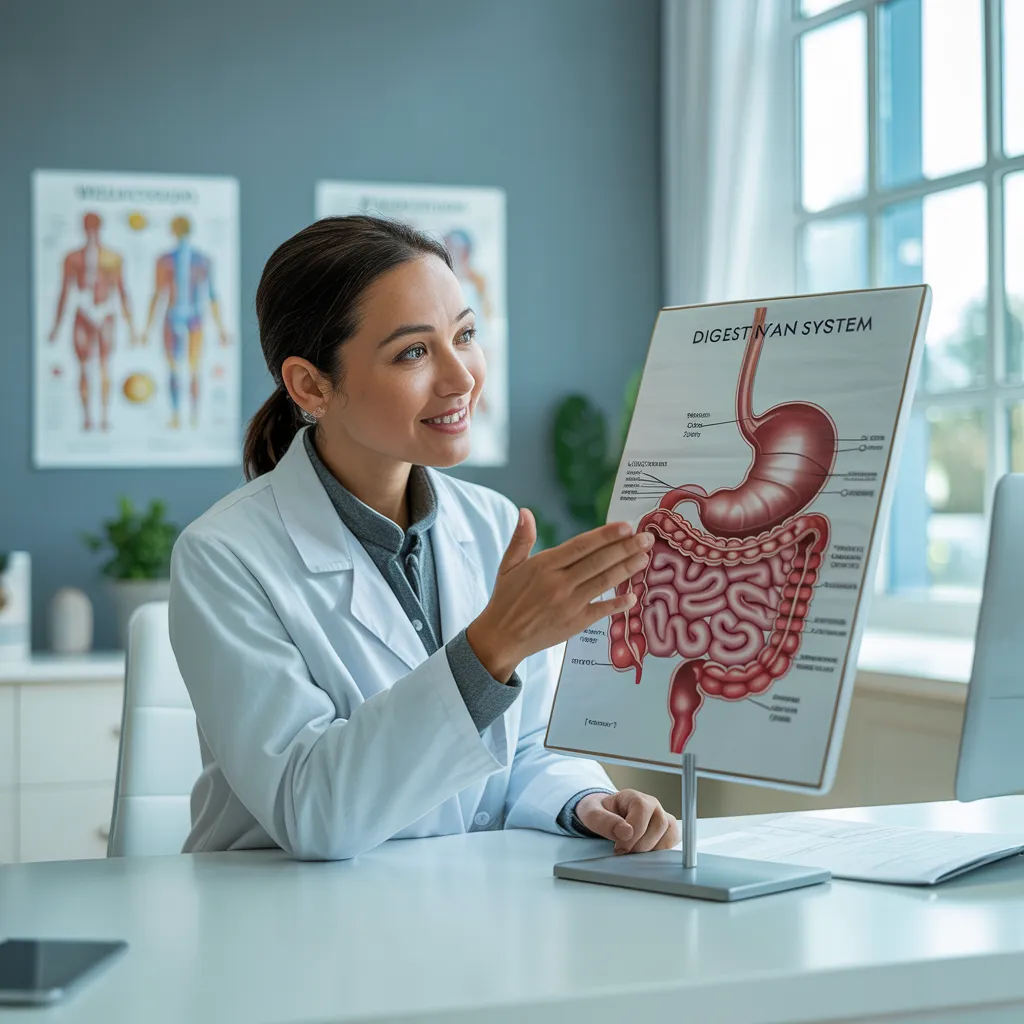
Understanding the Connection Between Gut and Brain and Its Influence on Anxiety
The intricate relationship between the gut and the brain has garnered considerable attention in recent years, specifically concerning its effect on anxiety. Research suggests that the gut microbiome, composed of trillions of microorganisms, plays a vital role in regulating brain functions. Signals from the gut can affect neurotransmitter production, including serotonin, which is essential for mood regulation. Furthermore, the vagus nerve serves as a communication highway between the gut and brain, transmitting information that can shape emotional states. Dysbiosis, or an imbalance in gut bacteria, has been connected to intensified feelings of anxiety and stress. This connection demonstrates that maintaining a healthy gut may be fundamental for managing anxiety symptoms, opening avenues for potential therapeutic interventions targeting gut health.
How Gut Health Influences Mood and Emotional Well-Being
Though commonly disregarded, gut health significantly affects mood and emotional well-being. The gut microbiome, a elaborate community of microorganisms in the digestive system, plays a crucial role in regulating neurotransmitters, including serotonin, often referred to as the "feel-good" hormone. Research indicates that a balanced gut microbiome can enhance mood stability and reduce symptoms of depression. On the other hand, an imbalance in gut bacteria article may cause emotional disturbances and mood disorders. Dietary choices, such as the consumption of probiotics and fiber-rich foods, can foster a healthier gut environment. Consequently, improving gut health not only helps digestion but also serves as a key component in promoting emotional resilience and overall mental health. Understanding this connection underscores the significance of maintaining gut health for emotional well-being.
How Gut Microbiota Affects Stress and Anxiety
As people manage the demands of daily existence, gut microbiota's role in stress and anxiety becomes more obvious. Research demonstrates that the complex ecosystem of microbes inhabiting the gut plays an essential role in controlling the body's stress mechanisms. These microorganisms generate chemical messengers such as serotonin and gamma-aminobutyric acid (GABA), which directly affect emotional state and anxiety responses. In addition, a disturbance in gut microbiota, commonly called dysbiosis, has been correlated with elevated anxiety and stress reactions. Research has demonstrated that those with anxiety conditions often demonstrate modified gut microbiomes. This growing awareness emphasizes the importance of preserving a balanced gut microbiota, indicating that strategies aimed at gut health may create new possibilities for alleviating stress and anxiety-related symptoms.
Nourishing Your Gut for Better Mental Well-Being
Digestive system-supporting foods fulfill a crucial part in fostering psychological well-being. Fermented foods abundant in probiotics, omega-3 fatty acids, and whole grains dense in fiber are critical components that can constructively influence intestinal health and, as a result, mental wellness. Investigating these nutritional choices uncovers their possible advantages for decreasing anxiety and improving general mood.
Probiotic-Packed Fermented Foods
Although many factors affect mental health, the role of probiotic-rich fermented foods in maintaining gut health and diminishing anxiety is increasingly recognized. These foods, including yogurt, sauerkraut, kimchi, and kefir, contain advantageous bacteria that foster a balanced gut microbiome. A healthy gut microbiome is necessary for the generation of neurotransmitters, including serotonin, which significantly influences mood and anxiety levels. Regular consumption of these fermented foods can boost digestive health, resulting in improved nutrient absorption and a stronger immune response. Studies demonstrate that individuals who include probiotic-rich foods in their diets experience lower levels of stress and anxiety. As a result, incorporating these gut-friendly choices can be a practical yet powerful strategy for boosting mental well-being.
Omega-3 Essential Fatty Acids
Omega-3 fatty acids play an essential role in promoting mental well-being, particularly through their influence on gut health. These vital nutrients, contained in foods including fatty fish, walnuts, and flaxseeds, have been found to bolster gut microbiome wellness. A healthy microbiome is essential for generating brain chemicals, including serotonin, which govern emotional well-being and anxiety. Additionally, omega-3s possess anti-inflammatory properties that can help reduce intestinal inflammation, further enhancing its function. Scientific evidence shows that people with increased omega-3 consumption regularly show diminished levels of anxiety and depression. Thus, including omega-3-abundant foods in one's eating plan can work as a useful technique for improving both gut health and mental resilience, ultimately contributing to overall well-being.
Fiber-Rich Whole Grains
Fiber-rich whole grains are crucial to maintaining gut health, which in turn promotes mental well-being. These grains, such as oats, quinoa, and brown rice, provide essential nutrients and prebiotics that nourish beneficial gut bacteria. A diverse microbiome enhances the production of neurotransmitters, including serotonin, often known as the "feel-good" hormone. Regular consumption of whole grains can also help stabilize blood sugar levels, reducing mood swings and anxiety spikes. Additionally, the high fiber content promotes healthy digestion and reduces inflammation, further contributing to mental clarity and emotional stability. By incorporating fiber-rich whole grains into daily nutrition, individuals may achieve an improvement in both gut health and overall mental wellness, highlighting the significant connection between diet and emotional health.
Powerful Life Adjustments for Enhancing Gut Health and Reducing Anxiety
Enhancing gut health and reducing anxiety can be accomplished through a series of effective lifestyle adjustments. A balanced diet filled with fruits, vegetables, and whole grains promotes a healthy microbiome, which can favorably impact mood. Regular physical activity is equally vital; exercise not only promotes gut health but releases endorphins that improve mood. Adequate sleep is essential, as restorative rest helps manage stress hormones and improves overall well-being. Furthermore, practicing mindfulness and stress-reduction practices, such as yoga or meditation, can enhance gut health by reducing stress levels. Staying hydrated is another important factor, as water aids digestion and nutrient absorption. Collectively, these lifestyle changes lead to a healthier gut and a more balanced emotional state.
Enhance Your Emotional Wellness With Probiotics and Prebiotics
Research shows that incorporating prebiotics and probiotics into one's diet can significantly enhance emotional balance. Probiotics, the helpful bacteria available in fermented foods, support gut health, which consequently influences brain function. They can improve neurotransmitter production, such as serotonin, often known as the "happiness" hormone. Prebiotics, on the other hand, serve as sustenance for these probiotics, supporting their growth and activity. This symbiotic relationship leads to elevated mood and reduced anxiety levels. Evidence demonstrates that those who consume appropriate levels of both probiotics and prebiotics report diminished sensations of stress and increased emotional resilience. Ultimately, maintaining a balanced gut microbiome through these dietary components may play a vital role in achieving emotional stability.
What Foods Can Improve Gut Health?
Various foods can considerably support gut health and promote overall well-being. Fermented foods, such as yogurt, kefir, sauerkraut, and kimchi, are abundant in probiotics that enhance gut microbiota. Foods high in fiber, like fruits, vegetables, legumes, and whole grains, function as prebiotics, sustaining beneficial bacteria. Foods containing polyphenols, for example berries, green tea, and olive oil, continue to promote gut health owing to their antioxidant properties. Omega-3 fatty acids available in fatty fish, flaxseeds, and walnuts also assist in reducing inflammation within the gut. Additionally, staying hydrated with water promotes digestive health. Incorporating these foods into one's diet can greatly bolster gut function, ultimately benefiting mental health and reducing anxiety.
Frequently Asked Questions
Might Gastrointestinal Health Influence Sleep Duration and Quality?
Studies show that gut health can considerably influence sleep quality and duration. A well-balanced gut microbiome promotes improved sleep patterns, as it regulates hormone regulation and neurotransmitter production necessary for restful sleep and overall well-being.
What's the Timeline for Seeing Anxiety Relief?
Improvements in anxiety could be seen within a few weeks to several months, varying with individual circumstances, treatment approaches, and consistency in lifestyle modifications. Being patient and sustained support are crucial for meaningful long-term results.
Do Specific Probiotics Exist for Anxiety Relief?
Some probiotics, like Lactobacillus and Bifidobacterium strains, have been researched for their possible capability to reduce anxiety. Yet, outcomes differ, and individual responses may vary, necessitating additional research to verify their efficacy for anxiety alleviation.
Will Stress Negatively Influence Gut Health?
Stress can indeed have a negative effect on gut health. It might throw off the bacterial balance in your digestive system, causing digestive complications, inflammation, and an overall decline in gut function, which can aggravate mental and physical health concerns.
Is There a Connection Between Gut Health and Brain Fog?
Research suggests a substantial relationship between gut health and brain fog. Disturbances in gut microbiota can impact cognitive functions, resulting in concerns like memory impairment and poor cognitive clarity, demonstrating the importance of maintaining gut health.