Boost Your Natural Defenses In a Natural Way With Probiotics
Probiotics have gained increasing recognition for their role in boosting immune function. These beneficial microorganisms can be identified in numerous fermented foods. Their contribution on gut health is well-documented, but the mechanisms by which they strengthen the immune system merit further exploration. Understanding how these bacteria interact with the body can provide insights into naturally boosting immunity. What specific foods and practices can maximize these benefits?
What Are Probiotics and How Do They Boost Immune Health?
Though commonly disregarded, probiotics fulfill a vital part in supporting the immune system. These advantageous bacteria are mainly found in the gastrointestinal tract, where they contribute to a balanced microbiome. Probiotics, including strains such as Lactobacillus and Bifidobacterium, help maintain gut health by stimulating the expansion of good bacteria and preventing harmful pathogens. This balance is essential, as a healthy gut microbiome is directly tied to overall immune function.
In addition to their role in gut health, probiotics can enhance the body's immune response. They stimulate the production of antibodies and activate immune cells, such as T lymphocytes and macrophages. By modulating immune responses, probiotics can potentially reduce the risk of infections and inflammatory conditions. As research progressively shows their benefits, adding probiotics into one's diet may be a proactive approach to preserving a robust immune system and overall wellness.
How Do Probiotics Support Your Immune System?
Probiotics enhance the immune system through numerous mechanisms that support a balanced immune response. These helpful bacteria work to control the activity of immune cells, including T-cells and macrophages, which play important roles in defending against pathogens. By stimulating the production of antibodies, probiotics improve the body's ability to detect and counter infections with efficacy.
Moreover, probiotics promote the integrity of the gut barrier, stopping harmful bacteria and toxins from accessing the bloodstream. This barrier function is crucial, as a compromised gut can cause systemic inflammation and weakened immunity. Probiotics also synthesize short-chain fatty acids that possess anti-inflammatory properties, additionally supporting immune health.
Furthermore, they assist in maintain a healthy balance of gut microbiota, which is crucial for optimal immune function. Through these connected mechanisms, probiotics act as a critical ally in strengthening the immune system and fostering overall health.
Best Probiotic-Rich Food Sources for a Healthier Digestive System
A diverse range of foods can serve as excellent sources of probiotics, essential for maintaining gut health. Cultured dairy items, including yogurt and kefir, rank among the best-known options, featuring active cultures that encourage a harmonious intestinal environment. Additionally, pickled vegetables like sauerkraut and kimchi supply useful probiotics that promote digestive balance. Miso, an authentic Japanese ingredient crafted from fermented soybeans, provides another excellent probiotic resource, regularly utilized in soups and various dressings. Tempeh, made from fermented soybeans, supplies probiotics and acts as a nourishing plant protein alternative. Kombucha, a cultured tea product, is favored for its beneficial bacteria and potential health effects. To conclude, pickles fermented in brine can also contribute to gut health. Through adding these items to daily meals, people can boost their probiotic consumption, promoting a more balanced intestinal ecosystem.
Integrating Probiotics In Your Daily Routine
In what ways can people smoothly add probiotics to their daily schedules? An efficient strategy is integrating probiotic-rich foods into daily meals. Foods like yogurt, kefir, sauerkraut, and kimchi can be effortlessly included in breakfast or lunch, boosting both taste and nutritional content. Smoothies also serve as an excellent vehicle for probiotics; blending yogurt or probiotic powders with fruits creates a delicious and nutritious drink.
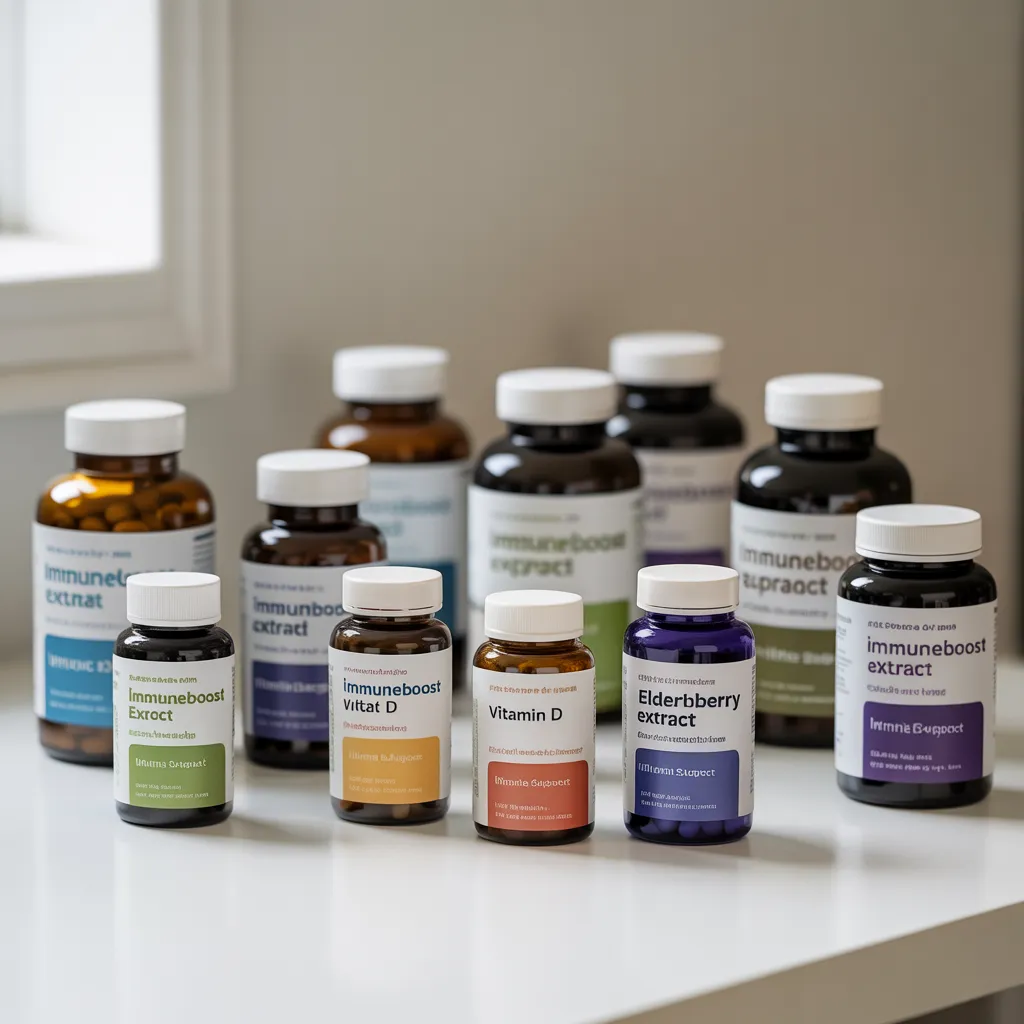
In addition, those interested may want to consider taking probiotic supplements, accessible in various forms such as capsules, gummies, or powders. These can be taken with meals for ideal absorption. Setting a consistent time daily for supplementation can help establish a routine.
Furthermore, swapping out traditional snacks for probiotic-rich choices, including fermented pickles or miso soup, can be an appealing way to support gut health. In the end, adding probiotics into your daily diet can be both simple and rewarding, get started supporting overall wellness and immune function.
Understanding the Health Risks and Side Effects of Probiotics
What are the potential risks and side effects people should know about before taking probiotics? While generally regarded as safe, probiotics can produce certain negative effects in some users. Typical adverse effects may include mild digestive issues, such as flatulence, abdominal distension, or diarrhea, especially during initial use. In rare cases, more serious complications can develop, particularly for those with weakened immunity or chronic health concerns. For instance, persons with impaired defenses may face the possibility of infections from probiotic strains entering the bloodstream. Additionally, certain probiotic supplements can influence medications, potentially diminishing their effectiveness. It is vital for persons to consult healthcare professionals prior to starting probiotics, notably if they have existing health issues or are pregnant. Awareness of these risks ensures informed decisions about probiotic use, allowing persons to weigh possible advantages against possible side effects for optimal health outcomes.
Frequently Asked Questions
Can Kids Use Probiotics to Improve Their Immune Function?
Yes, children can take probiotics to possibly strengthen their immune systems. Studies show that certain strains may enhance immune responses, but seeking advice from a healthcare professional is suggested to establish appropriate dosages and suitability for individual children.
How Long Does It Take to Notice Probiotic Effects?
Normally, users might start noticing the effects of probiotics in a span of days to weeks. The time period can change depending on variables like the particular strain utilized and one's own gut health.
Are There Specific Probiotic Strains for Immune Health?
Specific probiotic strains, like Lactobacillus rhamnosus and Bifidobacterium animalis, are acknowledged for their immune health properties. Research indicates these particular strains can boost immune response and promote overall health effectively.
Are Probiotics Beneficial for Allergy or Asthma Relief?
Probiotics may provide some benefits for asthma and allergies by modulating the immune response and lowering inflammation levels. Nonetheless, outcomes vary from person to person, and further research is necessary to confirm clear links between particular probiotic varieties and these conditions.
Is It Safe to Take Probiotics While on Antibiotics?
Consuming probiotics during antibiotic treatment is typically regarded as safe. They may help restore gut flora disrupted by antibiotics, however it's wise to time their intake separately for best outcomes and consult a healthcare professional for personalized guidance.