Feed Your Body: The Core Concepts of Ancestral Eating and the Lesser-Known Rewards of Organ Meats
Ancestral nutrition focuses on the consumption of whole foods in their natural state that mirror the diets of early humans. This approach underscores the regularly underestimated benefits of organ meats, which are loaded with essential nutrients. By incorporating these nutrient-dense foods, individuals can elevate their overall well-being. However, many still harbor misconceptions about organ meats. Discovering their nutrient content and practical applications could uncover a transformative aspect of this dietary philosophy. What could that imply for current eating patterns?
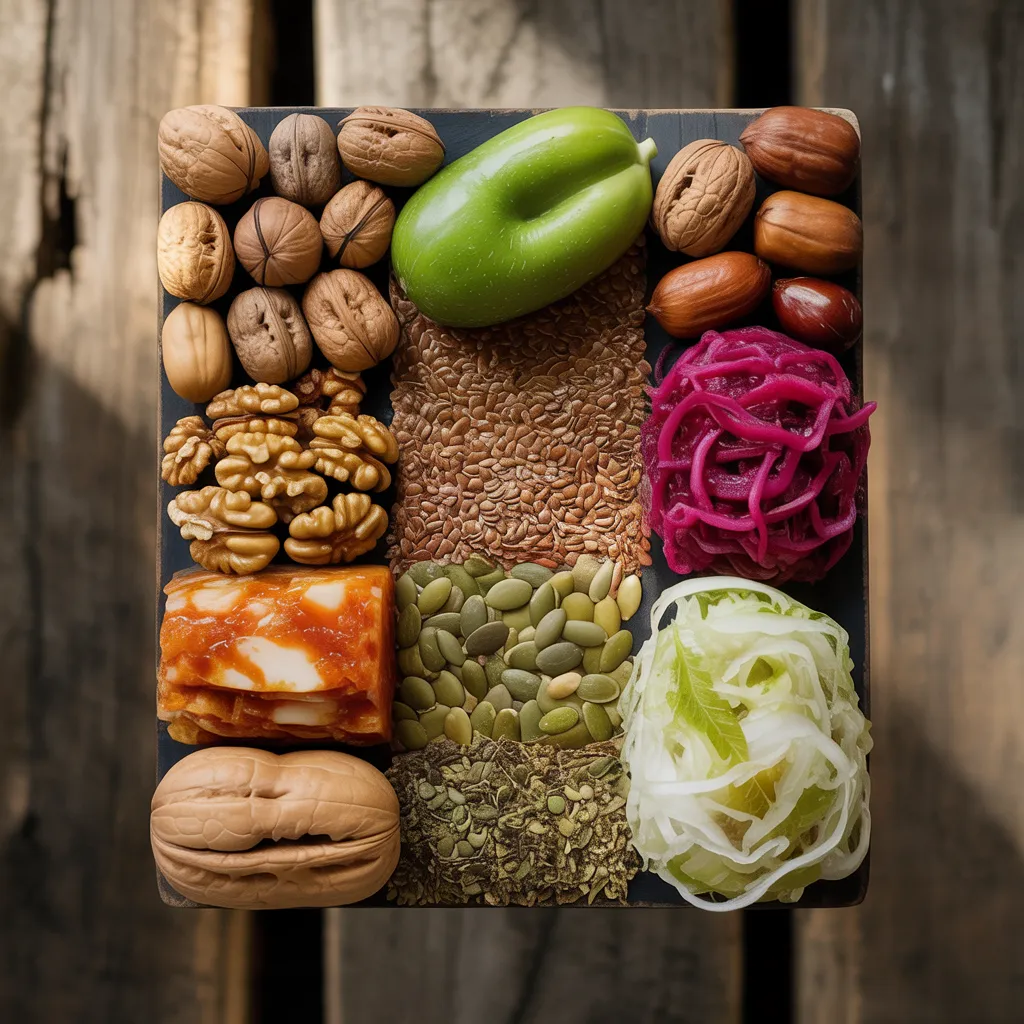
Learning About Ancestral Dietary Practices
Ancestral eating, often characterized by a return to traditional dietary practices, focuses on the consumption of minimally processed whole foods that were staples in the diets of early human ancestors. This approach gives precedence to ingredients that are minimally altered from their natural state, including fruits, nuts, vegetables, seeds, wild-caught fish, and pasture-raised meats. Supporters claim that these foods sync more effectively with human evolutionary biology and dietary needs.
In this context, ancestral eating encourages individuals to stay away from highly processed foods packed with artificial additives, sugars, and unhealthy fats. Alternatively, it champions the concept of eating in sync with the seasons and sourcing local produce whenever possible. By implementing these principles, individuals may experience better health outcomes, boosted energy levels, and a stronger connection to their food sources. Ultimately, understanding ancestral eating is about acknowledging the importance of nutrition grounded in history while fostering a sustainable and health-conscious lifestyle.
Understanding the Nutritional Benefits of Organ Meats
Organ meats, often regarded as nutrient powerhouses, provide a plentiful source of important vitamins and minerals that are commonly missing in modern diets. They are remarkably high in vitamin A, which supports vision and immune function, and vitamin B12, critical for red blood cell formation and neurological health. Moreover, organ meats contain notable amounts of iron, zinc, and selenium, minerals that play vital roles in metabolism and immune response.
Such meats are additionally high in coenzyme Q10, which helps with energy production and acts as an antioxidant within the body. The elevated levels of omega-3 fatty acids present in particular organ meats promote heart health and minimize inflammation. Moreover, organ meats provide a unique profile of amino acids, necessary for muscle repair and complete bodily function. Highlighting the inclusion of organ meats in a balanced diet can elevate nutritional intake and promote general well-being.
Frequently Consumed Kinds of Organ Meats and Their Nutritional Value
Several forms of organ meats deliver diverse nutritional benefits, making them worthwhile additions to a nutritious diet. Liver, frequently recognized as a superfood, is abundant in vitamins A, B12, and iron, aiding energy production and immune function. Kidneys provide essential nutrients like vitamin B12 and are high in protein, promoting muscle health and overall recovery. Heart, a good source of CoQ10 and omega-3 fatty acids, helps to cardiovascular health and boosts energy levels. Spleen, while less common, is loaded with iron and can help address anemia. Additionally, brain is a potent source of omega-3 fatty acids and phosphatidylcholine, essential for brain health and cognitive function. Including these organ meats into a diet can boost nutrient intake and support numerous bodily functions, underscoring the importance of multiple food sources in maintaining optimal health.
Methods to Incorporate Organ Meats To Your Eating Routine
Incorporating organ meats into a diet can begin with minimal portions to smooth the shift. Applying imaginative cooking approaches can enhance their appeal, making them more palatable for those unacquainted with these foods. Additionally, pairing organ meats with well-known flavors can assist to bridge the gap between customary preferences and new culinary experiences.
Start With Minor Portions
Commencing with small portions can smooth the shift into introducing organ meats to a person's diet. For those unacquainted with these nutrient-rich foods, beginning with small amounts enables incremental adaptation to their tastes and textures. Adding organ meats, such as liver or heart, can commence with just a few ounces, blended into ground meat dishes or stews. This method helps individuals acclimate without overwhelming their palate. Moreover, pairing organ meats with recognizable ingredients can enhance overall acceptance. As familiarity levels increase, portion sizes can be adjusted accordingly. This calculated introduction encourages a positive experience, encouraging individuals to discover the numerous nutritional benefits of organ meats while limiting any initial aversion. Consistency over time can produce a more bold and healthy diet.
Imaginative Cooking Methods
Investigating inventive cooking techniques can alter the perception of organ meats, making them not only palatable but also pleasant. Approaches such as combining liver into ground meat for burgers or meatballs can hide the flavor while retaining nutritional benefits. Moreover, marinating organ meats in tasty sauces can elevate their taste and texture. Slow-cooking approaches, such as braising or stewing, allow for deeper flavors to develop, making dishes like heart stew or kidney pie more attractive. For those reluctant to cook organ meats, incorporating them into familiar recipes can ease the adjustment. By utilizing these creative methods, individuals can seamlessly integrate organ meats into their diets, enriching their meals with essential nutrients while extending their culinary skills.
Pair With Classic Flavors
How might familiar flavors ease the transition to organ meats in your diet? By incorporating organ meats into familiar recipes, individuals can create a more appealing adaptation. For instance, adding liver to a savory meatloaf or incorporating heart into a hearty stew allows the nutrient-dense organ meats to blend seamlessly with traditional flavors. Seasoning remains vital; herbs, spices, and sauces that you already enjoys can mask any strong tastes associated with organ meats. Moreover, using ground organ meats in tacos or meatballs can provide a familiar texture and flavor profile, making the experience less intimidating. This strategic pairing not only improves palatability but also encourages a gradual acceptance of organ meats, supporting their nutritional benefits within a comforting culinary context.
Addressing the Stigma: Altering Perceptions of Organ Meats
Although organ meats have long been dismissed in present-day diets, transforming perceptions are beginning to revitalize their culinary reputation. Growing interest in primal eating has sparked renewed curiosity about these nutrient-dense foods. Proponents highlight their abundant profiles of vitamins, minerals, and beneficial fats, establishing them as superfoods in a flourishing health-conscious community.
Social networking sites and culinary blogs have been instrumental in transforming the conversation surrounding organ meats, showcasing innovative recipes that resonate with wide-ranging palates. Professional chefs and amateur cooks are both exploring organ meats, integrating them into familiar dishes, which helps to normalize their consumption.
Furthermore, the farm-to-table movement underscores transparency in sourcing, empowering consumers to trace the origins of their food. This shift is not only eliminating the stigma but also fostering a greater appreciation for the culinary heritage linked to organ meats.
How Seasonal and Local Foods Shape Ancestral Eating
Seasonal and local foods play a critical role in ancestral eating, delivering various benefits such as superior nutritional value and support for local food sustainability. These foods are usually fresher, which can substantially boost their flavor and health benefits. Emphasizing seasonal eating not only connects individuals to their environment but also respects traditional practices that have sustained communities for generations.
Advantages of Seasonally-Focused Consumption
The benefits of seasonal eating are rooted in ancestral practices that stress the consumption of seasonal and locally-sourced foods. This approach harmonizes with the natural cycles of the environment, making certain that individuals get nutrients at their peak. Seasonal foods tend to be crisper, tastier, and more nutrient-dense, as they are harvested at their ideal ripeness. Such practices also encourage biodiversity, as varied crops are cultivated throughout the year, improving soil health and ecosystem stability. Additionally, eating seasonally can bring about cost savings, as local produce is often more budget-friendly than out-of-season imports. Finally, adopting seasonal eating not only nourishes the body but also cultivates a deeper connection with the rhythms of nature, mirroring the wisdom of ancestral traditions.
Local Sustainable Food Systems
Focusing on local food sustainability aligns with the principles of seasonal eating, as both approaches emphasize the consumption of food that is grown and harvested in close proximity to where it is consumed. This method cultivates a more resilient food system by supporting local farmers and decreasing the carbon footprint related to long-distance transportation. Furthermore, consuming local foods corresponds to ancestral eating practices, which often drew upon regionally available ingredients. By opting for seasonal and local produce, individuals can savor the flavors and variety of their environment while enhancing biodiversity and soil health. Beyond this, local food systems often promote ethical farming practices, guaranteeing the welfare of animals and the land, ultimately producing a more sustainable and nourishing dietary approach.
Health Benefits of Freshness
Locally obtained fresh foods play a fundamental role in ancestral dietary habits, presenting enhanced nutritional value relative to their non-seasonal alternatives. The closeness of these foods to consumers provides prime freshness, which translates into elevated flavor and nutrient density. Foods harvested in season are commonly harvested at maximum ripeness, facilitating exceptional levels of vitamins, minerals, and antioxidants. Moreover, local sourcing fosters biodiversity, as multiple crop varieties are produced in response to regional climates. This diversity not only sustains the local ecosystem but also provides a wider range of nutrients essential for a balanced diet. Emphasizing seasonal foods aligns with ancestral practices, showing a connection to the land and the natural rhythms of food availability, in the end enhancing the eating experience.
Organ Meat Recipes for Beginners
Exploring organ meats can be an enriching culinary experience, providing robust flavors and numerous health advantages. For those unfamiliar with this ingredient, trying liver pâté is an excellent choice. This dish blends sautéed onions, garlic, and spices with cooked liver, processing until smooth for a spreadable treat. Another accessible recipe is heart stew, where diced heart try now is braised with vegetables, herbs, and broth, offering a satisfying meal.
As a speedy choice, attempt cooking kidney with onions and mushrooms, seasoned with herbs, for a flavorful side dish. Additionally, creating bone broth with bones and marrow can yield a nutritious base for soups, boosting overall nutrition.
These recipes not only bring organ meats into the diet but also highlight their versatility, making them enjoyable for both experienced chefs and novices alike. Incorporating organ meats can foster a deeper appreciation of culinary traditions and their nutritional advantages.
Popular Questions
What Risks Are Associated With Consuming Organ Meats?
There are indeed risks linked to consuming organ meats. These risks encompass toxin exposure, elevated cholesterol levels, and possible allergic responses. To reduce health risks, moderation and purchasing from trusted suppliers are crucial.
How Do Organ Meats Compare to Muscle Meats in Nutrition?
Offal typically contains greater amounts of essential nutrients relative to muscle meats, supplying important nutrients including vitamin A, iron, and B vitamins. This nutritional density makes them a valuable addition to a balanced diet.
Can Organ Meats Be Consumed Raw or Need Cooking?
Organ meats can be consumed raw, though it's typically advised to cook them to destroy possible harmful bacteria and increase digestibility. One should assess their own health and sourcing before deciding on raw consumption.
Are There Specific Organ Meats for Different Health Goals?
Certain organ meats address specific health goals; for example, liver supports detoxification and vitamin A absorption, while heart is high in CoQ10 for cardiovascular health. Kidneys supply nutrients valuable for kidney function and overall well-being.
How Can I Choose High-Quality Organ Meats when Shopping?
To choose high-quality organ meats, you'll want to look for vibrant, fresh colors, little to no odor, and sturdy texture. Furthermore, sourcing from reputable suppliers that implement ethical farming will ensure superior quality and nutritional benefits.