How Your Gut Health Shapes Mental Wellness
The connection between gut health and mental wellness is increasingly recognized in scientific circles. Research suggests that the gut-brain axis facilitates communication between the digestive system and the brain. This connection can significantly influence psychological conditions. As the gut microbiome influences neurotransmitter production, imbalances may lead to increased anxiety or depression. Comprehending these mechanisms may offer perspectives on enhancing psychological wellness. What specific factors contribute to this intricate balance?
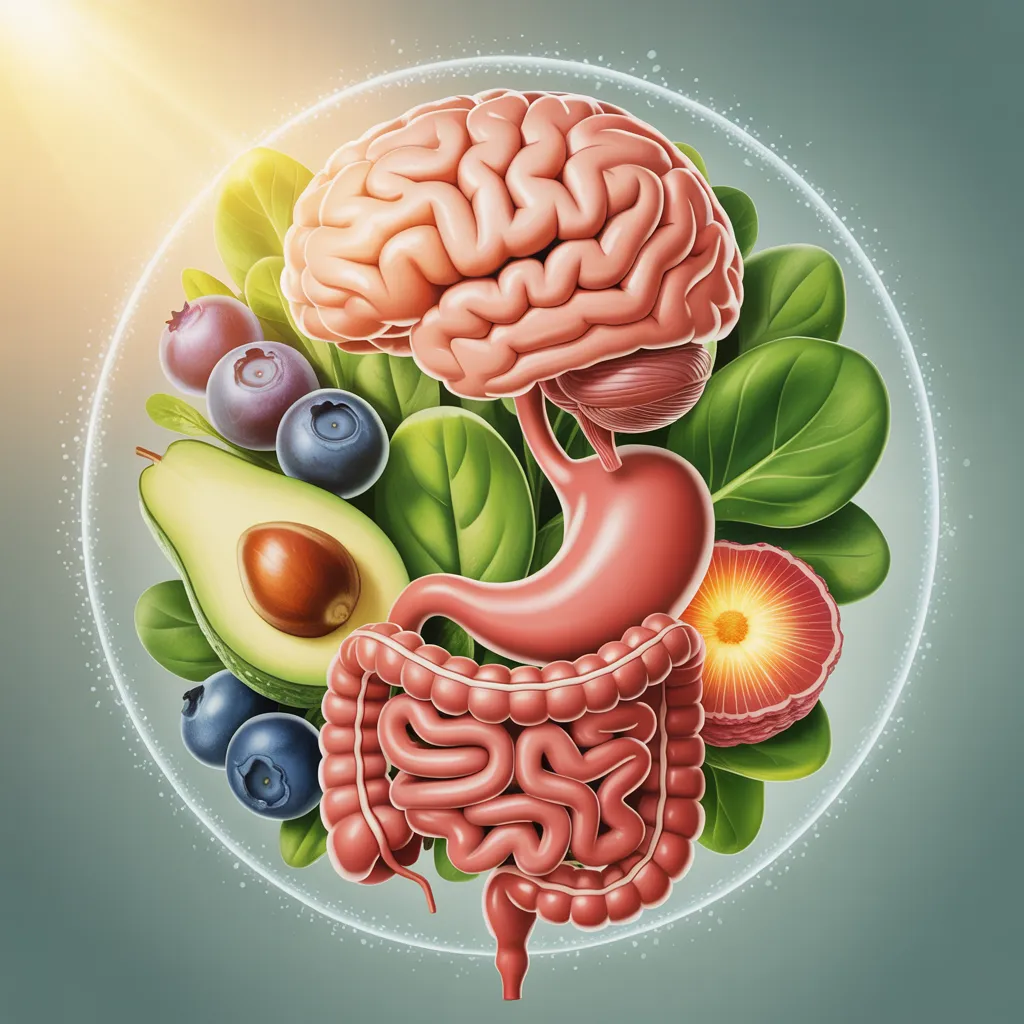
Understanding the Gut-Brain Axis
Even though the link between the gut and the brain has been acknowledged for centuries, recent scientific research has illuminated the sophisticated mechanisms of the gut-brain axis. This reciprocal communication pathway includes various mechanisms, including neural, hormonal, and immune interactions. The vagus nerve serves as an critical conduit, transmitting signals between the gut and the central nervous system. In addition, the gut's enteric nervous system acts independently yet influences emotional and cognitive processes. Components such as diet, stress, and inflammation can alter this axis, impacting mental health. Understanding these dynamics is essential for developing targeted interventions that bridge gastrointestinal health and psychological well-being. As research evolves, the significance of the gut-brain axis in shaping mental health continues to gain recognition in scientific discourse.
The Influence of Gut Microbiome on Mental Health
As scientific research progresses, the role of the gut microbiome in mental health has emerged as a notable area of investigation. The gut microbiome is made up of trillions of microorganisms that reside in the gastrointestinal tract, influencing various physiological processes. Research shows that these microorganisms can synthesize neurotransmitters, such as serotonin and gamma-aminobutyric acid (GABA), which are vital for mood regulation. Moreover, the gut microbiome communicates with the immune system, potentially influencing inflammation and its link to mental health disorders. The concept of the gut-brain axis highlights how gut health can impact psychological well-being. Understanding this complex interplay may open doors to novel therapeutic approaches for mental health conditions, stressing the importance of keeping a balanced gut microbiome for overall mental wellness.
How an Imbalanced Gut Can Influence Mood
As the subtle balance of the gut microbiome is disturbed, it can lead to notable mood alterations and mental health issues. Evidence suggests that an imbalance in gut bacteria may result in heightened levels of anxiety and depression. This occurs partly due to the gut's production of neurotransmitters, such as serotonin, which significantly influence mood regulation. A decline in positive bacteria can impair these neurotransmitter levels, resulting in emotional disturbances. Furthermore, an overgrowth of harmful bacteria may provoke inflammation, further aggravating mood disorders. The gut-brain axis, a communication pathway between the gut and brain, highlights the critical nature of gut health in maintaining emotional wellness. Therefore, understanding gut imbalances is crucial for addressing mood-related issues effectively.
Foods That Contribute to a Healthy Gut
A wide variety of foods can significantly support gut health, improving the equilibrium of helpful bacteria. High-fiber whole foods like fruits, vegetables, and whole grains function as prebiotics, supporting the good bacteria in the gut. Fermented foods such as yogurt, kefir, kimchi, and sauerkraut supply probiotics, which enhance a healthy microbiome. Furthermore, foods abundant in polyphenols, like berries, green tea, and dark chocolate, can also boost gut health by fostering microbial diversity. Nutritious fats, especially those from sources like olive oil and avocados, also assist in maintaining gut health. Adding these foods to a daily diet contributes to building a robust environment for good gut bacteria, ultimately enhancing overall health and well-being.
The Influence of Probiotics on Psychological Health
Studies progressively indicate that probiotics, the helpful bacteria found in fermented foods and supplements, may have a considerable influence on mental well-being. Research shows that these microorganisms can shape the gut-brain axis, potentially producing improvements in mood and reductions in symptoms of anxiety and depression. The mechanisms behind this relationship include the modulation of neurotransmitter production, notably serotonin, and the reduction of inflammation. Beyond this, probiotics may help normalize the gut microbiome, which is essential for maintaining mental health. Early research highlights specific strains, such as Lactobacillus and Bifidobacterium, as particularly effective in promoting psychological well-being. While more extensive clinical trials are needed, the emerging evidence reinforces the potential role of probiotics in supporting mental health.
Effective Ways to Enhance Gut Health
Several practical steps can be taken to improve gut health, which in turn may positively influence mental well-being. A balanced diet abundant in fiber, fruits, and vegetables encourages a diverse microbiome. Integrating fermented foods for example yogurt, kefir, and sauerkraut can supply beneficial probiotics. Proper hydration is essential, as water aids digestion and nutrient absorption. Regular physical activity supports gut health by fostering the growth of beneficial bacteria. Decreasing stress through mindfulness practices like yoga or meditation can also support a healthy gut-brain connection. In addition, reducing the intake of processed foods and sugars can prevent harmful bacteria from thriving. These steps collectively lead to improved gut health and, therefore, better mental health outcomes.
FAQ
Can Stress Have a Direct Effect on Gut Health and Microbiome Balance?
Stress can directly affect gut health and microbiome balance by altering gut permeability and microbial composition. This disruption may lead to discover more gastrointestinal issues, inflammation, and an imbalance in beneficial bacteria, ultimately impacting overall wellbeing.
How Much Time Is Needed to See Gut Health Improvements?
Improvements in gut health can typically be seen within several weeks to a few months, based on personal factors such as diet, lifestyle adjustments, and commitment to specific gut health practices, as well as general health conditions.
Are There Particular Foods to Stay Away From for Enhanced Mental Health?
Particular foods can adversely affect mental health, including processed sugars, trans fats, and excessive caffeine. Cutting back on these items may help boost overall wellbeing, facilitating a more balanced emotional state and better cognitive function.
Does Gut Health Impact Sleep Quality and Duration?
Research indicates that gut health can considerably determine sleep quality and duration. Disturbances in gut microbiota may compromise sleep patterns, leading to difficulties in getting to sleep and maintaining rejuvenating sleep throughout the night.
What Role Does Hydration Play in Gut and Mental Health?
Adequate water intake considerably impacts gut health by supporting digestion and nutrient absorption. A adequately hydrated system enables healthy gut function, which can positively influence mental well-being, improving mood and cognitive performance through the gut-brain connection.